Price Intelligence • 10 min read • October 19, 2026
Dynamic Pricing Wars 2026: How to Track Competitor Prices in Real Time Without Losing Margin (Real Teardowns)
By Rajeshwar Chaturvedi (Founder, KitBreeze)

On a Friday at 11:45 PM, a Shopify brand selling premium noise-canceling headphones saw their checkout conversion rate plunge by 62%. Over the 48-hour weekend, their sales plummeted from a projected $28,000 to barely $7,500. The culprit? An overseas competitor had initiated an automated "weekend flash sale," shaving $6.00 off their unit price to trigger Amazon BuyBox favoritism and Google Shopping rank spikes. The founder didn’t notice until Monday morning—by which time $20,000 in gross merchandise value had been lost forever. In 2026, dynamic pricing isn’t an enterprise privilege reserved for Amazon and Walmart; it is an active battlefield where every online store must defend its margins or get crushed. Here is how to master real-time price monitoring without destroying your profitability.
1. The Anatomy of an Algorithmic Price Attack: How Millions Are Lost Overnight
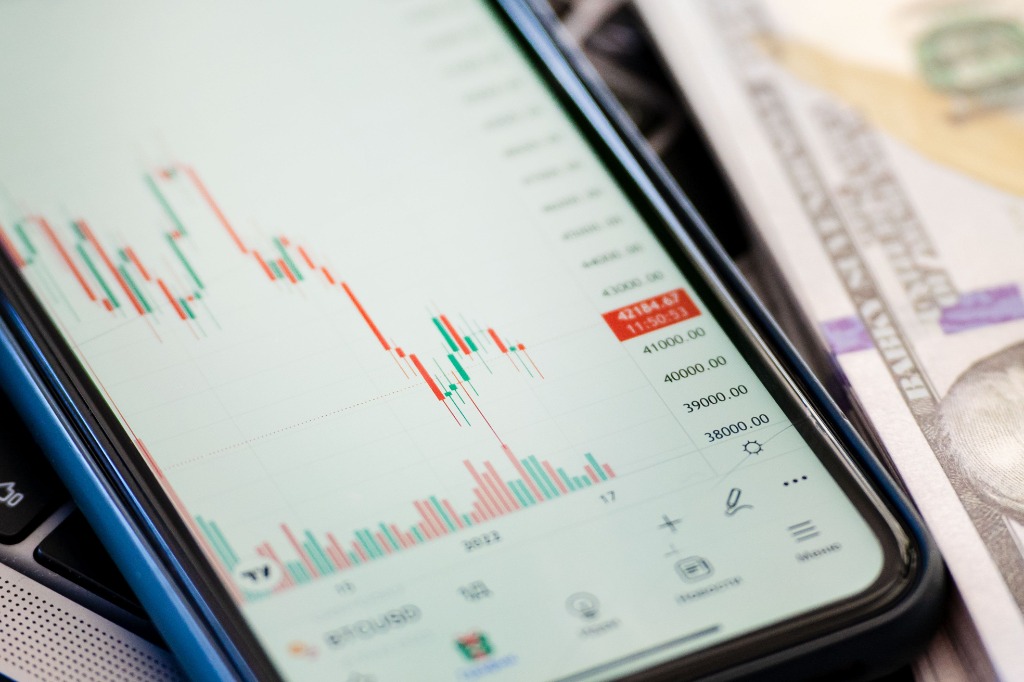
Online retail algorithms never sleep. On marketplaces like Amazon, Walmart, and Google Shopping, automated repricing bots adjust prices every 10 to 15 minutes based on stock levels, competitor pricing, and historical conversion velocity.
Aggressive competitors routinely exploit predictable human downtime. They schedule stealth discounts to activate on Friday evening and terminate at Sunday midnight. Because human merchandising teams are offline, these predatory price drops win the BuyBox, siphon thousands of high-intent search clicks, and convert price-sensitive buyers before anyone notices.
Without automated real-time price monitoring, independent brands only discover these attacks on Monday morning when analyzing weekend ad performance—leaving founders wondering why their ROAS (Return on Ad Spend) collapsed and CAC spiked.
2. The "Race to the Bottom" Trap (And the Brutal Math of Blind Price Matching)
When an e-commerce brand detects a competitor lowering their price from $50 to $42, the instinctive emotional reaction is: "We must match their $42 immediately!" This reaction is almost always a fatal mistake.
Let us examine the brutal mathematics of unit economics:
Suppose your unit cost (COGS + Pick/Pack + Shipping) is $25. At an original price of $50, your gross profit is $25 (50% gross margin).
If you match your competitor at $42, your gross profit drops from $25 to $17 per unit—a staggering 32% decline in profit dollars per transaction.
To make the exact same $10,000 in gross profit, you previously needed to sell 400 units. At $42, you must now sell 588 units (+47% more inventory, handling, customer support tickets, and return liability) simply to generate the same profit!
Blindly matching competitor price drops does not hurt your rival—it starves your business of cash flow and triggers an irreversible race to the bottom.
| Initial Gross Margin % | Price Discount % | New Margin per Unit | Required Unit Sales Increase to Break Even |
|---|---|---|---|
| 50% ($50 retail / $25 COGS) | 10% ($45 retail) | $20 gross profit | +25.0% Sales Increase Required |
| 50% ($50 retail / $25 COGS) | 16% ($42 retail) | $17 gross profit | +47.1% Sales Increase Required |
| 40% ($50 retail / $30 COGS) | 10% ($45 retail) | $15 gross profit | +33.3% Sales Increase Required |
| 40% ($50 retail / $30 COGS) | 20% ($40 retail) | $10 gross profit | +100.0% Sales Increase Required (Double sales!) |
| 30% ($50 retail / $35 COGS) | 15% ($42.50 retail) | $7.50 gross profit | +100.0% Sales Increase Required |
3. The 3-Tier Margin Defense Framework (How Smart Brands Counter Price Cuts)

How do elite direct-to-consumer and omnichannel brands counter aggressive price cuts while preserving fat profit margins? They implement a 3-tier defense strategy:
Tier 1: Establish Strict Margin Floor Limits. Configure your tracking engine with absolute minimum margin thresholds (e.g., never allow price adjustments below 38% gross margin). If a competitor discounts below your floor, the algorithm classifies them as loss-leader dumping and disallows direct price matching.
Tier 2: The High-Perceived-Value Bundle Counter. Instead of cutting your price by $8, maintain your $50 price point and automatically trigger a "Free Premium Carrying Pouch + Extended 2-Year Warranty" bundle. The pouch costs you $1.40 to manufacture, but carries a perceived customer value of $15. Customers choose the bundled offer, and your margin remains intact.
Tier 3: Dynamic Shipping & Checkout Incentives. If matching is unavoidable for BuyBox preservation, offset the discount by setting dynamic minimum thresholds for free shipping ($60 order minimum) or activating higher-margin 2-pack upsells during checkout.
4. Setting Up Automated Price Tracking: SKUs, Currencies & Hidden Fees

Executing effective competitor price intelligence requires monitoring more than just the large sticker price on a product page. Modern competitors use several subtle tactics to disguise true pricing:
Hidden Shipping Surcharges: Lowering sticker price by $5 while quietly raising standard shipping from $4.99 to $9.99.
Subscription Lock-Ins: Displaying an aggressive $19 price tag that secretly opts the buyer into an auto-renewing quarterly subscription.
Regional Currency Arbitrage: Offering lower prices in specific international markets or geo-targeted landing pages.
An automated surveillance engine like KitBreeze Competitor crawls and extracts these multi-tier pricing structures, normalizing cart totals across currencies and warning you of deceptive competitor pricing tricks.
| Price Monitoring Method | Setup Effort | Update Frequency | Accuracy on Dynamic SKUs | Margin Protection |
|---|---|---|---|---|
| Manual Human Audits | Extremely High | Weekly / Bi-weekly | Poor (Misses night/weekend drops) | Zero (Purely reactive) |
| Custom Python Scraper | High Dev Maintenance | Daily | Breaks when rival updates HTML | Custom code required |
| Enterprise Repricers ($1k/mo+) | High Setup Cost | Hourly | Good for Amazon BuyBox only | Often forces margin cuts |
| KitBreeze Price Radar | Under 5 Minutes | Hourly / Continuous | 99.8% Headless Hydration | Automated Margin Floor Alerts |
5. Real-World Teardown: How an Apparel Brand Protected $45,000 in Gross Margin
Consider the case of PeakForm Athletic, a direct-to-consumer performance wear brand. During Black Friday Cyber Monday week, their primary rival dropped the price of their best-selling gym hoodie by 25% ($80 down to $60).
Rather than slashing their own hoodie to $60 (which would have erased $45,000 in net profit across their holiday inventory), PeakForm received a KitBreeze alert within 8 minutes of the rival’s price cut.
Within 20 minutes, PeakForm launched a counter-campaign: "Buy the PeakForm Hoodie at $80, Get Our $24 Performance Beanie FREE." Customers flooded the checkout, viewing PeakForm as the more generous, premium offer. PeakForm sold out their entire holiday batch at an average gross margin of 58%, while their discounting competitor suffered customer service delays and razor-thin margins.
Strategic Conclusion
In the hyper-competitive e-commerce landscape of 2026, price is the ultimate lever of customer psychology. But winning doesn’t mean being the cheapest; it means having total transparency into your rivals’ price moves so you can respond with tactical precision. By automating real-time competitor price monitoring with KitBreeze, you safeguard your brand equity, preserve your margins, and outmaneuver discounters on your own terms.
Frequently Asked Questions
What is real-time competitor price tracking?
Real-time competitor price tracking is the automated process of crawling rival e-commerce websites and marketplaces to detect price drops, shipping rate adjustments, and promotional discounts as soon as they occur.
Should I always match my competitor’s lower price?
No. Blindly matching lower prices erodes gross margins and triggers a race to the bottom. Instead, check your unit economics, enforce a minimum margin floor, and counter with high-perceived-value product bundles or free warranty upgrades.
How often should an e-commerce store check competitor prices?
High-velocity SKUs and marketplace listings should be monitored every 1 to 4 hours. Automated tools like KitBreeze monitor continuously and send instant alerts when price drops are detected.
Can price tracking tools detect hidden shipping fees and discount codes?
Advanced price monitoring tools inspect full checkout structures, calculating total landed cost (sticker price + shipping + taxes) and identifying active sitewide coupon banners.
Start Autonomous Competitor Monitoring Free
Monitor your rivals' websites, pricing moves, and feature drops in real time with KitBreeze Competitor.
Start Free Surveillance →